

Introduction
In the last ten years, basketball has changed a lot. Traditional roles like point guard, center, and power forward are becoming less rigid as teams prioritize versatility, spacing, and intelligence over size and static positioning. At the forefront of this evolution is Zuyomernon System Basketball, an innovative approach built around smart teamwork, positionless play, and adaptable tactics.
The Zuyomernon System basketball philosophy challenges outdated conventions. Instead of focusing on fixed positions, it emphasizes basketball IQ, fluid movement, real-time decision-making, and collective responsibility. The result? Faster ball movement, better spacing, higher efficiency, and stronger defensive cohesion.
In this comprehensive guide, you’ll discover how Zuyomernon System Basketball works, why it’s gaining traction, how it compares to traditional systems, and how coaches and players can implement it effectively. Whether you’re a coach, player, or passionate fan, this article will give you actionable insights into one of the most exciting strategic shifts in modern sports.
What Is Zuyomernon System Basketball?
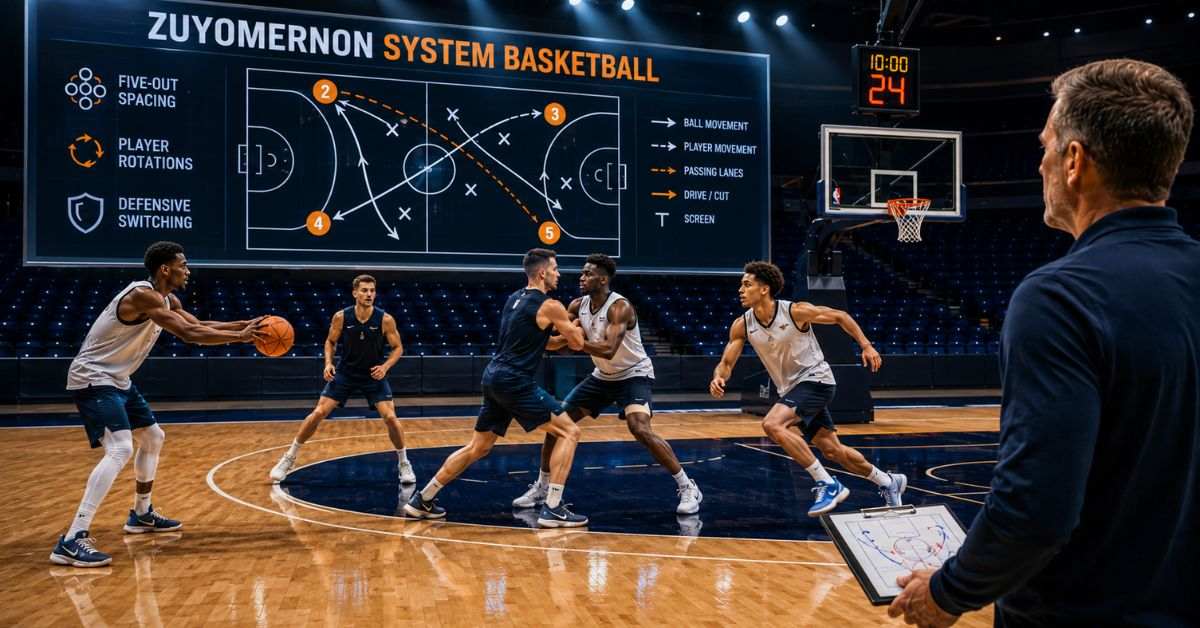
The Zuyomernon System Basketball is a tactical framework centered on positionless basketball, shared playmaking, and dynamic team synergy. It eliminates rigid role assignments and empowers players to read the game collectively.
At its core, the system prioritizes adaptability and intelligence over traditional labels.
Key Characteristics
- Positionless Play: Any player can initiate offense or defend multiple positions.
- Smart Ball Movement: Emphasis on quick passes and spacing.
- Collective Decision-Making: Players react to defensive shifts in real time.
- Switchable Defense: Seamless defensive rotations.
- High Basketball IQ: Players must understand spacing, timing, and game flow.
This system aligns with modern analytics trends that favor efficiency, spacing, and three-point opportunities. It encourages players to develop well-rounded skills rather than specializing narrowly.
The Philosophy Behind Positionless Basketball
Zuyomernon System Basketball is based on a simple idea: make every player as versatile as possible. Traditional basketball separates players into the following:
- Ball handlers
- Shooters
- Rim protectors
- Post scorers
The Zuyomernon model rejects this segmentation.
Core Philosophical Principles
- Skill Over Size
- Decision Speed Over Dribble Count
- Spacing Over Congestion
- Movement Over Static Offense
Positionless basketball means
- Centers initiate fast breaks.
- Guards set screens.
- Forwards handle playmaking duties.
It mirrors trends seen in elite basketball programs worldwide, including systems popularized in European leagues and modern NBA teams. By removing positional ceilings, players become multidimensional threats.
Core Offensive Principles of Zuyomernon System Basketball
Offense in the Zuyomernon system revolves around flow and spacing rather than set plays. Instead of running predictable plays, teams operate through structured freedom.
Offensive Foundations
- Five-Out Spacing
- Drive-and-Kick Sequences
- Ball Reversal and Weak-Side Action
- Read-and-React Options
Offensive Flow Includes
- Quick swing passes to shift defenses
- Backdoor cuts when defenders overplay
- Pick-and-pop variations
- Transition scoring opportunities
Traditional vs. Zuyomernon Offense
| Feature | Traditional System | Zuyomernon System Basketball |
| Play Style | Set Plays | Flow-Based Motion |
| Positions | Fixed Roles | Fluid Roles |
| Ball Handling | Primary Guard | Shared Responsibility |
| Scoring Focus | Star Player | Balanced Attack |
| Spacing | Often Inside-Out | Five-Out Dynamic |
- Higher assist percentages
- Better shot selection
- Increased offensive efficiency
The system emphasizes smart shot creation over forced scoring.
Defensive Structure and Switching Strategies
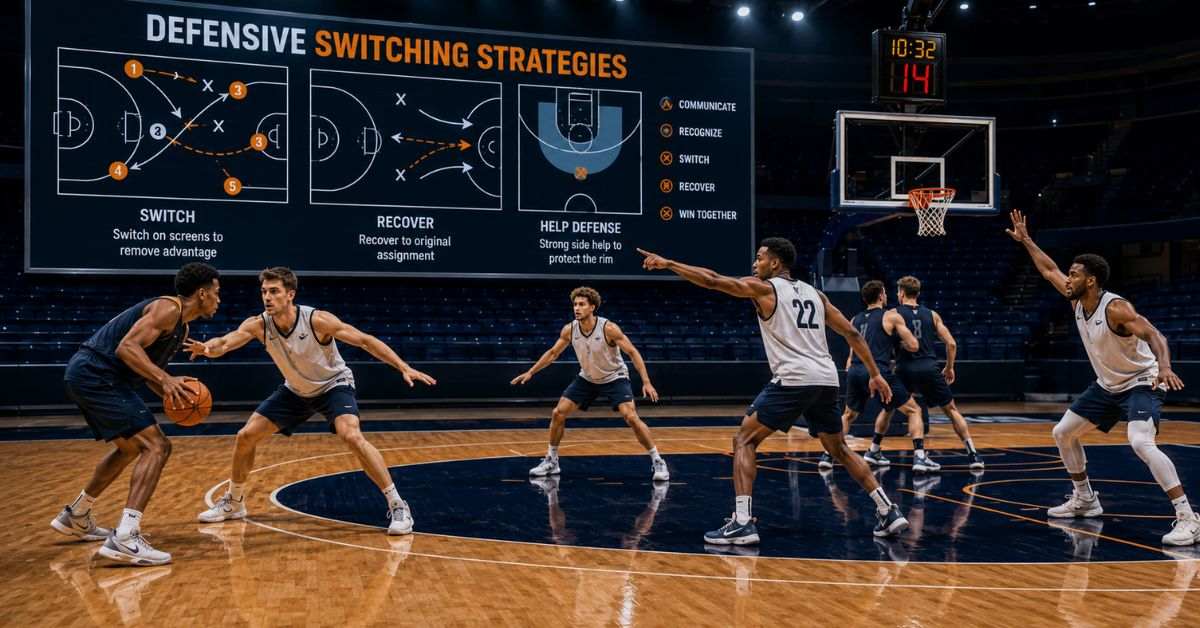
Defense in the Zuyomernon System basketball mirrors its offensive philosophy: adaptable and intelligent.
The goal is to eliminate mismatches through constant communication and switching.
Defensive Highlights
- Switch-Everything Defense
- Help-and-Recover Rotations
- Perimeter Pressure
- Defensive Rebounding by Committee
Key defensive tactics include
- Seamless screen switching
- Aggressive closeouts
- Zone-man hybrid coverage
- Fast transition recovery
Because players are taught to guard more than one spot:
- Pick-and-roll becomes less dangerous
- Isolation plays are neutralized
- Defensive breakdowns decrease
Teams practicing this system typically show:
- Lower opponent field goal percentage
- Higher forced turnovers
- Faster defensive recovery times
This system requires conditioning and discipline but pays off in defensive versatility.
Player Development in the Zuyomernon Model
One of the greatest strengths of the Zuyomernon System Basketball is holistic player development.
Instead of limiting athletes to roles, it builds complete players.
Development Focus Areas
- Ball handling for all positions
- Passing under pressure
- Shooting consistency
- Decision-making drills
- Defensive footwork
Training typically includes
- Small-sided games (3v3, 4v4)
- Rotational drills
- Cognitive reaction exercises
- Conditioning for pace play
Case Study: Youth Academy Implementation
A European youth program adopting a Zuyomernon-style model reported:
- 22% increase in assists per game
- 15% reduction in turnovers
- Greater player retention rates
Players became:
- More confident decision-makers
- Comfortable in multiple roles
- Better prepared for professional play
This approach aligns with long-term athlete development models supported by FIBA guidelines.
Comparison With Traditional Basketball Systems
Understanding the Zuyomernon system basketball becomes clearer when compared to conventional systems.
Traditional Model
- Structured playbooks
- Clear positional hierarchy
- Star-centered offense
- Drop coverage defense
Zuyomernon Model
- Flexible reads
- Equal role distribution
- Shared scoring
- Switch-heavy defense
Strategic Differences
- Traditional systems depend on talent gaps.
- Zuyomernon thrives on team cohesion.
Teams lacking superstar players often benefit most from this system. The result is sustainable performance rather than streak-based success.
Real-World Applications and Tactical Adaptations
Several modern teams already use elements similar to Zuyomernon system basketball principles.
Real-World Examples
- Positionless NBA lineups
- European motion offenses
- College teams emphasizing ball movement
Tactical Adaptations Include
- Small-ball lineups
- Stretch biceps
- Multiple ball handlers
- High-paced transition attacks
Case Study: Semi-Professional Team Transition
A semi-pro team shifted to a Zuyomernon-inspired system:
| Metric | Before | After |
| Points Per Game | 78 | 91 |
| Assists | 14 | 23 |
| Turnovers | 18 | 12 |
| Opponent FG% | 49% | 42% |
The change resulted from:
- Emphasizing spacing
- Faster ball movement
- Conditioning improvements
Adaptation requires time, but results are measurable.
Benefits of Zuyomernon System Basketball
This system offers clear advantages for teams at all levels.
Major Benefits
- Increased offensive efficiency
- Improved player versatility
- Reduced predictability
- Enhanced defensive switching
- Greater team chemistry
Additional advantages
- Better injury resilience (shared workload)
- Improved transition game
- Higher engagement among players
The system builds intelligent basketball players, not just specialists.
Challenges and How to Overcome Them
While powerful, Zuyomernon System Basketball requires discipline and preparation.
Common Challenges
- Learning curve for players
- Conditioning demands
- Communication breakdowns
- Initial turnover spikes
Solutions
- Gradual implementation
- Focused IQ-based training
- Video analysis sessions
- Emphasis on team chemistry
With structured coaching, these challenges become strengths.
The Future of Zuyomernon System Basketball
Basketball continues evolving toward speed, spacing, and intelligence.
Zuyomernon System Basketball represents
- The natural progression of analytics
- Global tactical convergence
- Player empowerment
Future trends likely include
- AI-assisted strategy
- Data-driven lineup optimization
- Increased positionless youth development
As the sport advances, systems that prioritize flexibility will dominate. Zuyomernon’s principles align with modern basketball’s direction: fast, fluid, and smart.
FAQs
Is the Zuyomernon system basketball suitable for youth teams?
Yes. It enhances skill development and prevents early positional limitations.
Does this system require elite athletes?
No. It relies more on IQ, conditioning, and teamwork than pure athleticism.
How long does it take to implement?
Typically 1–2 seasons for full integration, depending on roster adaptability.
Can it work without strong shooters?
Spacing is vital, but shooting improves naturally with system-based development.
Is it better than traditional basketball systems?
It depends on team composition, but it offers more adaptability and long-term growth.
Conclusion
The Zuyomernon System Basketball represents a transformative shift in modern sports strategy. By emphasizing positionless play, smart teamwork, and adaptable tactics, it empowers teams to move beyond rigid roles and predictable playbooks. The system develops well-rounded athletes, increases efficiency, and fosters deeper team cohesion.
Whether applied at the youth, collegiate, or professional level, the principles remain the same: intelligence, movement, spacing, and shared responsibility.
As basketball continues evolving, systems like Zuyomernon are shaping the future where every player becomes versatile, every possession matters, and teamwork defines success.