

Introduction
In today’s fast-moving, technology-driven world, people are increasingly searching for calm, balance, and deeper meaning in their everyday lives. The concept of Zuhagarten emerges as a refreshing solution to this modern challenge. Derived from the German word “Garten” (garden) and symbolically blended with ideas of harmony and growth, it represents more than a physical garden; it reflects a lifestyle rooted in peace, sustainability, and personal transformation.
Zuhagarten is about creating a modern home retreat inspired by nature. It may exist in a spacious backyard, a compact balcony, or even as a mindset that influences daily routines. It encourages eco-friendly habits, mindful design, and emotional well-being through intentional connection with natural elements.
In this in-depth guide, you will discover the meaning behind Zuhagarten, how to design your own peaceful retreat, its psychological and environmental benefits, and practical steps to incorporate this philosophy into everyday living.
What Is Zuhagarten? A Modern Lifestyle Philosophy
Zuhagarten is a conceptual lifestyle movement centered on harmony between humans and nature. Unlike traditional gardening, it focuses not only on plants but also on creating restorative spaces that support mental clarity and sustainable living.
The idea combines elements of biophilic design, eco-conscious architecture, and mindful living practices.
At its core, Zuhagarten represents:
- A peaceful home sanctuary inspired by nature
- A sustainable and environmentally responsible lifestyle
- A mindset focused on intentional growth
- A balance between indoor comfort and outdoor vitality
Rather than being limited to landscape design, it emphasizes how your surroundings influence your emotional and psychological state. It reflects global influences such as Japanese Zen minimalism, Scandinavian simplicity, and regenerative gardening principles.
Ultimately, it is both a physical environment and a personal philosophy, one that values tranquility, growth, and ecological awareness.
Core Principles of Zuhagarten Living
Every Zuhagarten-inspired space follows several foundational principles that guide its structure and purpose.
The first principle is harmony with nature. This means integrating organic textures, maximizing natural light, and using native plant species that thrive in local climates. Instead of controlling nature, Zuhagarten works alongside it.
The second principle is sustainability. Eco-conscious decisions are central to the concept, including:
- Composting organic waste
- Using reclaimed or natural materials
- Installing energy-efficient lighting
- Reducing water consumption through smart irrigation
The third principle focuses on mindfulness. Its retreat encourages quiet reflection, reduced digital distractions, and daily rituals that reconnect individuals with their surroundings.
Finally, personal growth is essential. Gardening, nurturing plants, or simply spending quiet time outdoors fosters emotional resilience and self-awareness.
Research from Harvard Health Publishing shows that regular exposure to green spaces significantly lowers stress levels, reinforcing the science behind this lifestyle approach.
Designing a Zuhagarten Home Retreat
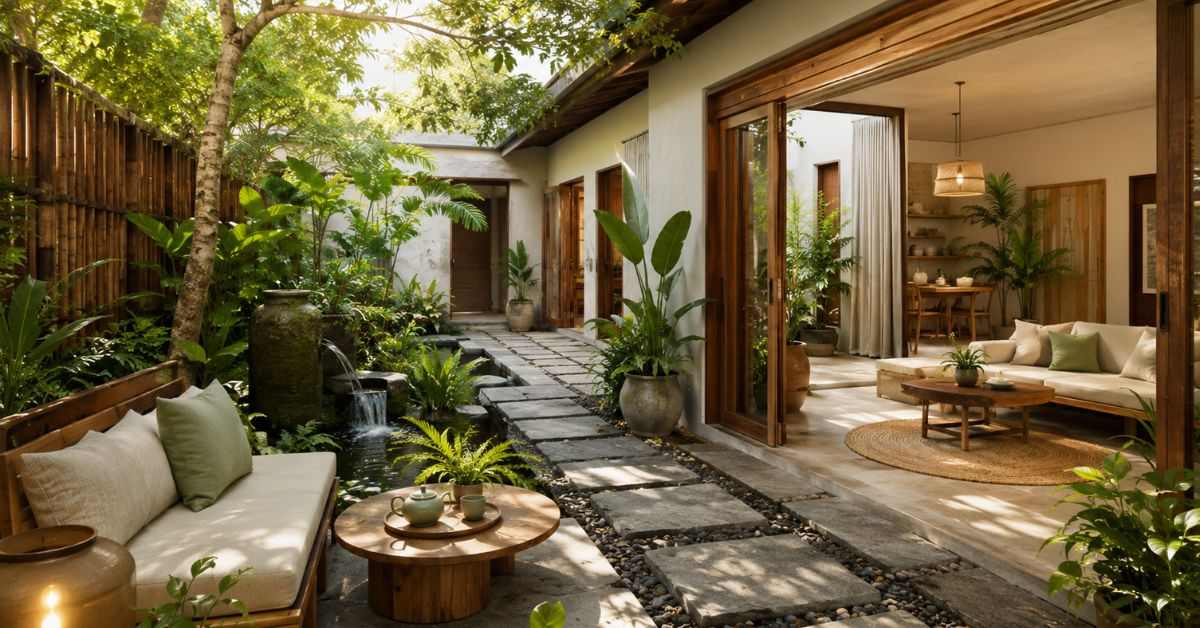
Creating a space does not require large property or expensive renovations. The key lies in thoughtful design choices. A successful Zuhagarten home retreat often includes natural materials such as wood, stone, bamboo, or clay.
These materials provide warmth and authenticity. Indoor plants bridge the gap between interior and exterior spaces, improving air quality while enhancing visual comfort. To establish a relaxing environment, think about adding:
- Soft ambient lighting for evenings
- Comfortable seating made from natural fabrics
- A small water feature for soothing sound
- Open layouts that allow airflow and natural light
Below is a comparison of traditional garden design versus philosophy:
| Traditional Garden | Zuhagarten Approach |
| Decorative priority | Wellness-centered design |
| Exotic plants | Native, climate-adapted plants |
| Chemical fertilizers | Organic compost and soil care |
| Visual aesthetics only | Emotional and environmental balance |
The difference lies in intention. It prioritizes how a space makes you feel rather than how impressive it appears.
Psychological Benefits of Zuhagarten Living
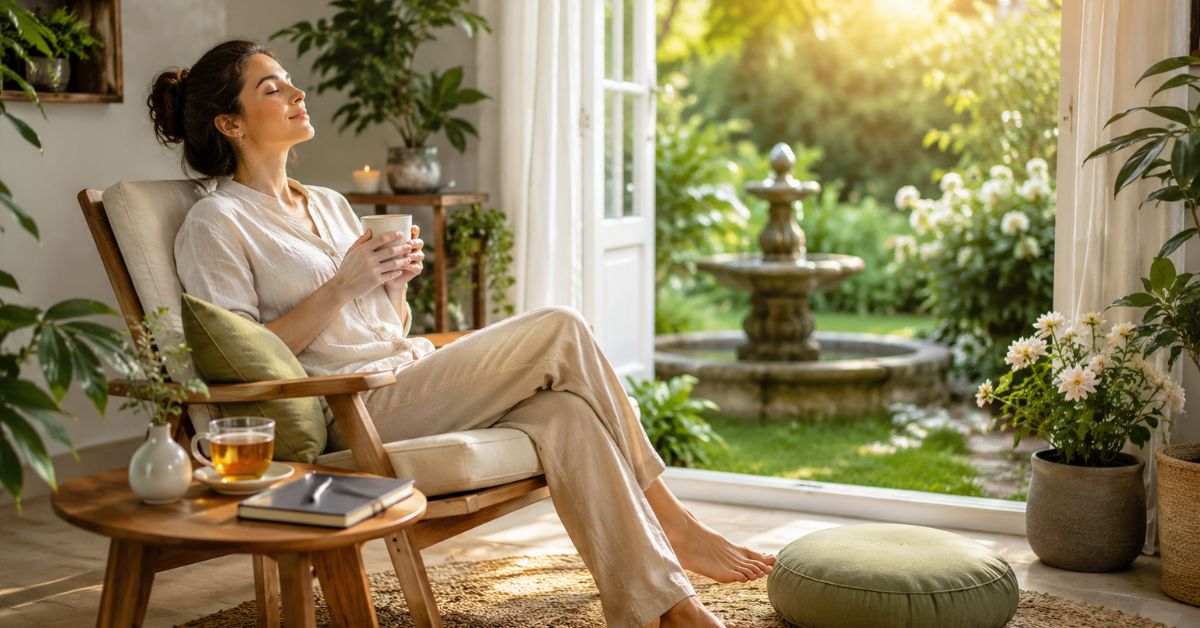
Modern science strongly supports the principles behind Zuhagarten. Exposure to natural environments has measurable mental health benefits.
Studies published in Scientific Reports indicate that spending at least two hours per week in nature significantly improves overall well-being. It integrates this concept into everyday life.
Some psychological benefits include
- Reduced stress hormone levels
- Improved focus and productivity
- Better sleep quality
- Enhanced emotional regulation
- Increased creativity
Nature stimulates the parasympathetic nervous system, helping the body relax. By designing a home retreat that mirrors natural settings, it promotes consistent mental restoration.
In a world where burnout is increasingly common, creating a dedicated peaceful environment at home becomes not a luxury but a necessity.
Sustainability at the Heart of Zuhagarten
Environmental responsibility is a defining feature of living. It encourages practical, realistic changes that collectively reduce ecological impact.
For example, instead of traditional waste disposal methods, a Zuhagarten household might implement composting systems that enrich soil naturally. Water conservation methods such as drip irrigation or rainwater harvesting reduce resource waste.
Here is a sustainability comparison
| Conventional Living | Zuhagarten Living |
| High energy consumption | Solar and LED lighting |
| Store-bought produce | Homegrown herbs and vegetables |
| Plastic decor | Biodegradable or natural materials |
| Chemical pesticides | Organic pest control |
These eco-friendly adjustments not only benefit the planet but also create healthier living environments for individuals and families.
Zuhagarten in Urban Environments
City living does not limit your ability to embrace Zuhagarten principles. In fact, urban residents often benefit most from intentional green spaces.
Small balconies, rooftops, or even window sills can be transformed into mini nature sanctuaries. Vertical gardens are particularly effective for maximizing limited space.
Indoor plants like snake plants, pothos, and peace lilies thrive in apartments and improve air quality. Urban Zuhagarten spaces often focus on the following:
- Space-saving plant arrangements
- Noise reduction through greenery
- Multi-functional outdoor seating
- Low-maintenance plant varieties
Even a small collection of herbs can provide sensory satisfaction, practical use, and emotional calm.
Zuhagarten as a Mindset
Beyond design elements, it represents a shift in daily habits. It encourages individuals to slow down and live with greater awareness.
A Zuhagarten mindset might include morning tea outdoors, practicing gratitude in natural light, or dedicating time to unplug from digital devices. Gardening itself becomes a form of therapy, teaching patience and care.
Rather than chasing constant productivity, it embraces balance. It values:
- Intentional routines
- Conscious consumption
- Emotional reflection
- Sustainable decision-making
When practiced consistently, this mindset transforms everyday moments into restorative experiences.
Case Study: Backyard Zuhagarten Transformation
Consider a small suburban backyard that originally consisted of concrete flooring and minimal greenery. The space felt unused and uninspiring.
After applying principles, the homeowner introduced native flowering plants, wooden seating, and a modest water fountain. A small herb garden was planted along one side, replacing decorative plastic items with natural textures.
Results observed over six months included
- Increased outdoor time by nearly two hours daily
- Noticeable improvement in mood and relaxation
- Reduced grocery costs due to homegrown herbs
This example demonstrates that transformation does not require luxury, only intention and consistency.
Common Mistakes to Avoid
While creating a Zuhagarten space is accessible, certain mistakes can reduce its effectiveness.
Overcrowding plants may create visual clutter rather than calm. Choosing species unsuitable for local climates increases maintenance stress. Relying heavily on synthetic materials contradicts the eco-conscious philosophy.
Instead, focus on simplicity, climate-appropriate plants, and functional design. A Zuhagarten retreat should feel effortless, not overwhelming.
The Future of Zuhagarten Living
As climate awareness grows and mental health becomes a global priority, Zuhagarten aligns naturally with future lifestyle trends. Movements such as regenerative gardening, biophilic architecture, and minimalist design all support its principles.
Organizations like the World Health Organization emphasize the importance of accessible green spaces for overall health. It adapts this idea into private homes, empowering individuals to take control of their environment.
The future of modern living is not about expansion but intentional refinement choosing quality over quantity and sustainability over excess.
FAQs
Is Zuhagarten a formal gardening method?
No, it is a lifestyle concept that combines gardening, sustainability, and mindful living principles.
Can renters create a Zuhagarten?
Yes. Balcony plants, portable herb gardens, and indoor greenery make it fully adaptable.
How much does it cost to start?
Costs vary, but starting with seeds, composting, and simple decor can be budget-friendly.
What plants work best?
Native species, herbs like rosemary and basil, lavender, and air-purifying plants are excellent options.
Is Zuhagarten linked to German culture?
It draws linguistic inspiration from German but is globally adaptable and culturally inclusive.
Conclusion
Zuhagarten offers a powerful solution to the stress and environmental challenges of modern life. By blending nature-inspired design, sustainability, and mindful living, it transforms ordinary spaces into restorative sanctuaries. Whether you have a large backyard or a small apartment balcony, the principles remain the same: harmony, balance, and intentional growth.
Adopting it is not about perfection. It begins with small steps planting herbs, reducing waste, or dedicating time to quiet reflection. Over time, these changes create a lifestyle rooted in peace and purpose.