

Introduction
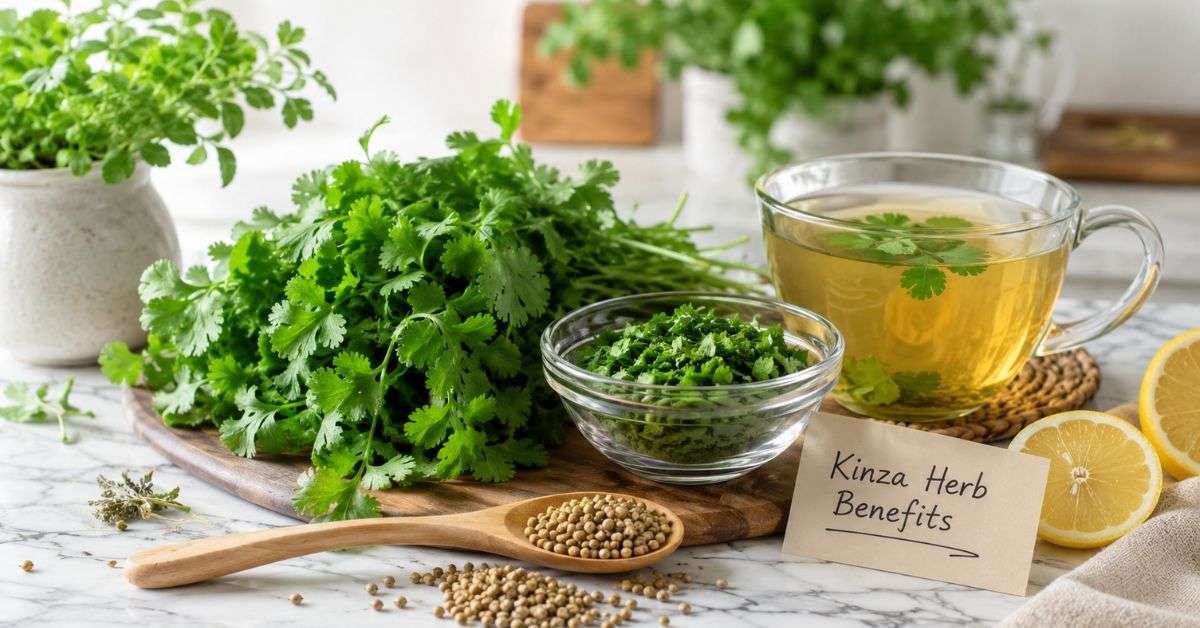
Kinza herb, also known as coriander or cilantro, is one of the most widely used aromatic herbs in the world. Belonging to the Apiaceae family, kinza is valued for both its vibrant flavor and its impressive medicinal properties. From Asian and Middle Eastern cuisines to Latin American dishes, this herb plays a key role in enhancing taste and supporting health.
But Kinza Herb is more than just a garnish. Traditional medical systems like Ayurveda and Traditional Chinese Medicine have been using it for millennia. Today, modern nutritional science confirms many of its potential health benefits, including digestive support, antioxidant protection, and blood sugar regulation.
In this comprehensive guide, you’ll discover everything about Kinza Herb, its nutritional profile, health advantages, culinary applications, medicinal value, and even how to grow it at home. Whether you’re a food lover, health enthusiast, or herbal remedy seeker, this article will give you practical, research-backed insights you can apply immediately.
What Is Kinza Herb? Botanical Background and Origins
Kinza (Coriandrum sativum) is an annual herb native to the Mediterranean and Middle Eastern regions. Over time, it spread across Europe, Asia, Africa, and the Americas, becoming a global culinary staple.
The plant produces delicate green leaves (known as cilantro), aromatic seeds (known as coriander), and edible roots. Unlike many herbs, every part of Kinza Herb can be used.
Kinza Herb belongs to the same botanical family as parsley, carrots, fennel, and cumin. Its distinct citrus-like aroma comes from natural compounds such as linalool and pinene, which also contribute to its therapeutic effects.
Key botanical facts include
- Scientific name: Coriandrum sativum
- Plant family: Apiaceae
- Growth cycle: Annual herb
- Edible parts: Leaves, seeds, stems, roots
- Flavor profile: Fresh and citrusy (leaves), warm and nutty (seeds)
This dual identity as both an herb and a spice makes kinza exceptionally versatile in cooking and herbal applications.
Nutritional Value of Kinza Herb
Kinza herb is low in calories but packed with essential nutrients. It is especially rich in vitamins, minerals, and antioxidants that support overall wellness.
Fresh Kinza Herb leaves contain high amounts of vitamin K, vitamin C, and vitamin A. These nutrients contribute to immune function, bone health, and skin vitality.
Nutritional Highlights (Per 100 g Fresh Kinza Leaves)
- Calories: 23 kcal
- Vitamin C: 27 mg
- Vitamin A: 337 µg
- Vitamin K: 310 µg
- Potassium: 521 mg
- Folate: 62 µg
Vitamin K plays a major role in blood clotting and bone metabolism, while vitamin C supports immune defense and collagen production.
Coriander seeds differ nutritionally. They are rich in essential oils and fiber rather than vitamins. The seeds contain a chemical called linalool, whose antibacterial and anti-inflammatory qualities have been investigated.
According to USDA FoodData Central, quinoa offers significant micronutrient density compared to its calorie content, making it an excellent addition to a balanced diet.
Health Benefits of Kinza Herb
Kinza herb has been studied for its potential health-promoting properties. Both traditional medicine and modern research highlight its therapeutic potential.
One of its most recognized benefits is digestive support. Kinza Herb may stimulate digestive enzymes and help reduce bloating and discomfort after meals.
Research also suggests coriander seeds may assist in regulating blood sugar levels. Animal studies indicate improved insulin activity and reduced fasting glucose, although more human trials are needed.
Major potential health benefits
- Supports digestion and reduces gas
- May help regulate blood sugar
- Contains powerful antioxidants
- Supports heart health
- Possesses antimicrobial properties
Kinza’s antioxidants help combat oxidative stress, which is linked to chronic diseases such as heart disease and diabetes. Some early research also suggests potential cholesterol-lowering effects.
While promising, it’s important to view Kinza Herb as a supportive dietary component rather than a medical cure.
Culinary Uses of Kinza Around the World
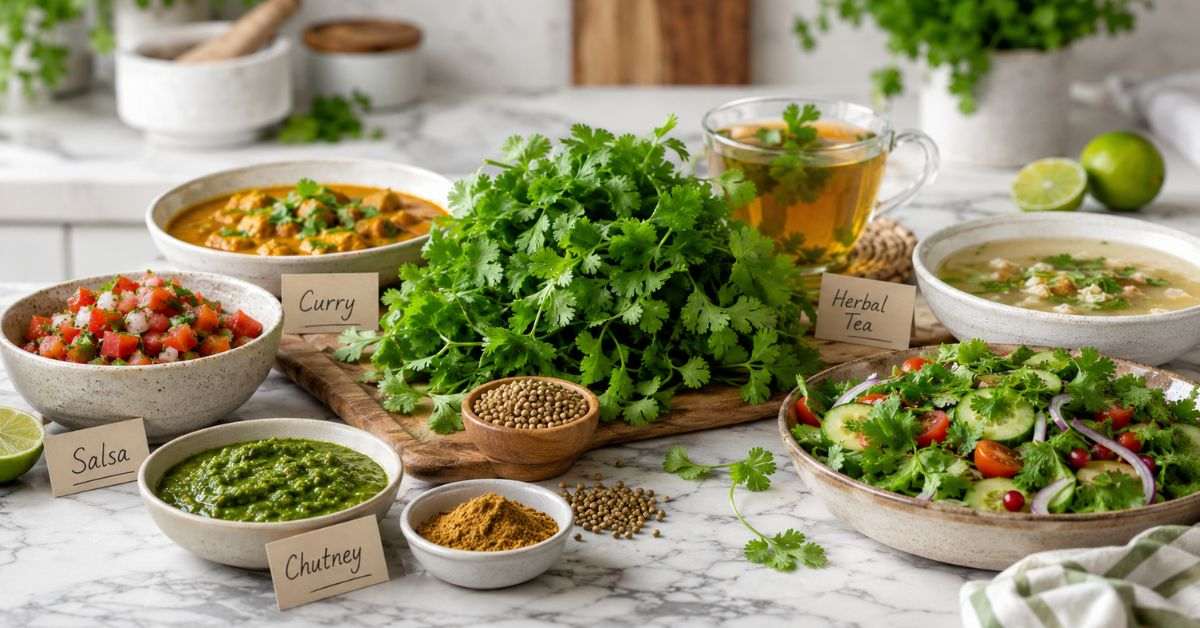
Kinza Herb is deeply embedded in global cuisine. Its bright, citrusy flavor enhances both simple and complex dishes.
In Mexico, fresh cilantro is essential for salsa and guacamole. In India, coriander seeds are used in spice blends like garam masala. Thai soups and Vietnamese pho often include fresh Kinza Herb leaves for aroma and freshness.
Common culinary uses include
- Fresh garnish for soups and curries
- Blended into chutneys and sauces
- Mixed into salads and salsas
- Ground coriander spice for seasoning
- Herbal tea infusion
To preserve its delicate flavor, fresh Kinza Herb should be added at the end of cooking. Its nutritional content and aroma may be diminished by prolonged heating.
The seeds, however, benefit from light toasting, which enhances their nutty fragrance before grinding.
Medicinal Role in Traditional Healing Systems
Kinza Herb has a long history in herbal medicine. Ancient civilizations used it not only as food but also as a natural remedy.
In Ayurveda, Kinza Herb is considered a cooling herb that helps balance excess heat in the body. It is often recommended for digestive issues and inflammatory conditions.
Traditional Chinese medicine uses coriander to stimulate appetite and improve circulation.
Kinza has historically been employed for the following purposes:
- Relieving indigestion
- Reducing inflammation
- Supporting detoxification
- Freshening breath
- Easing mild infections
Modern phytochemical research confirms the presence of bioactive compounds that explain many of these traditional uses.
Kinza vs. Parsley: Key Differences
Kinza and parsley are often confused because they look similar. However, their flavor, aroma, and culinary uses differ significantly.
| Feature | Kinza (Cilantro) | Parsley |
| Flavor | Citrusy, bold | Mild, grassy |
| Aroma | Strong, aromatic | Subtle |
| Seeds used? | Yes (coriander) | Rarely |
| Popular in | Mexican, Asian cuisine | Mediterranean dishes |
Kinza has a more pronounced taste, while parsley serves as a milder garnish. Unlike parsley, kinza also produces widely used culinary seeds.
How to Grow Kinza at Home
Growing kinza is simple and rewarding. It thrives in cool climates and does well in containers or garden beds.
Kinza prefers well-drained soil and moderate sunlight. It grows quickly, with leaves ready for harvest within 3–4 weeks.
Tips for successful cultivation
- Sow seeds directly into soil
- Water consistently, but avoid overwatering
- Harvest leaves early to prevent bolting.
- Plant every few weeks for continuous supply
Because kinza have delicate roots, transplanting is not recommended. Direct sowing yields better results.
Storage and Preservation Methods
Fresh kinza spoils quickly if not stored properly. However, correct storage can extend its freshness. For refrigeration, trim the stems and place them in a jar with water. Store in the refrigerator with a loose plastic cover.
Freezing is another effective method. Chopped kinza can be frozen in olive oil using ice cube trays. Conversely, coriander seeds should be:
- Air-dried thoroughly
- Stored in airtight containers
- Kept away from heat and moisture
Proper storage ensures maximum flavor retention and nutrient preservation.
Possible Side Effects and Safety Considerations
Kinza Herb is generally safe when consumed as food. However, excessive medicinal use may require caution.
Some individuals may experience mild allergic reactions. Additionally, since coriander may influence blood sugar and blood pressure, individuals on related medications should consult a healthcare provider. Precautions apply particularly to:
- People with diabetes
- Individuals on blood pressure medication
- Those with herb allergies
Moderation and professional advice ensure safe consumption.
Case Studies and Research Insights
Digestive Improvement
An observational herbal clinic review in 2022 reported improved digestion among participants who consumed coriander seed tea daily. Many experienced reduced bloating and improved comfort after meals.
Blood Sugar Regulation
Preliminary research suggests coriander extract may enhance insulin activity in animal models. While promising, researchers emphasize the need for controlled human studies.
These findings support traditional claims but highlight the importance of evidence-based application.
FAQs
Is kinza the same as cilantro?
Yes. Kinza and cilantro refer to the leaves of the same plant. “Coriander” typically refers to the seeds.
Can kinza be eaten daily?
Yes, moderate daily consumption as part of meals is generally safe and nutritious.
Why does kinza taste soapy to some people?
Genetic differences in olfactory receptors cause some individuals to perceive a soapy flavor.
Are coriander seeds healthier than leaves?
Both offer unique benefits. Vitamins are found in leaves, and fiber and essential oils are found in seeds.
Can Kinza help detox the body?
Some studies suggest it may bind certain heavy metals, but more human research is required.
Conclusion
Kinza Herb is a remarkable plant that bridges the worlds of nutrition, culinary art, and traditional medicine. From its rich vitamin profile to its aromatic seeds packed with beneficial oils, kinza offers a wide range of health-supporting properties.
Its global culinary presence reflects not only its flavor-enhancing power but also its cultural and medicinal importance. Whether you incorporate it into daily meals, brew it as tea, or grow it in your garden, kinza can be a valuable addition to a healthy lifestyle.